Three days in Bucharest: sharpening what the project is building
By Thomas Stollenwerk
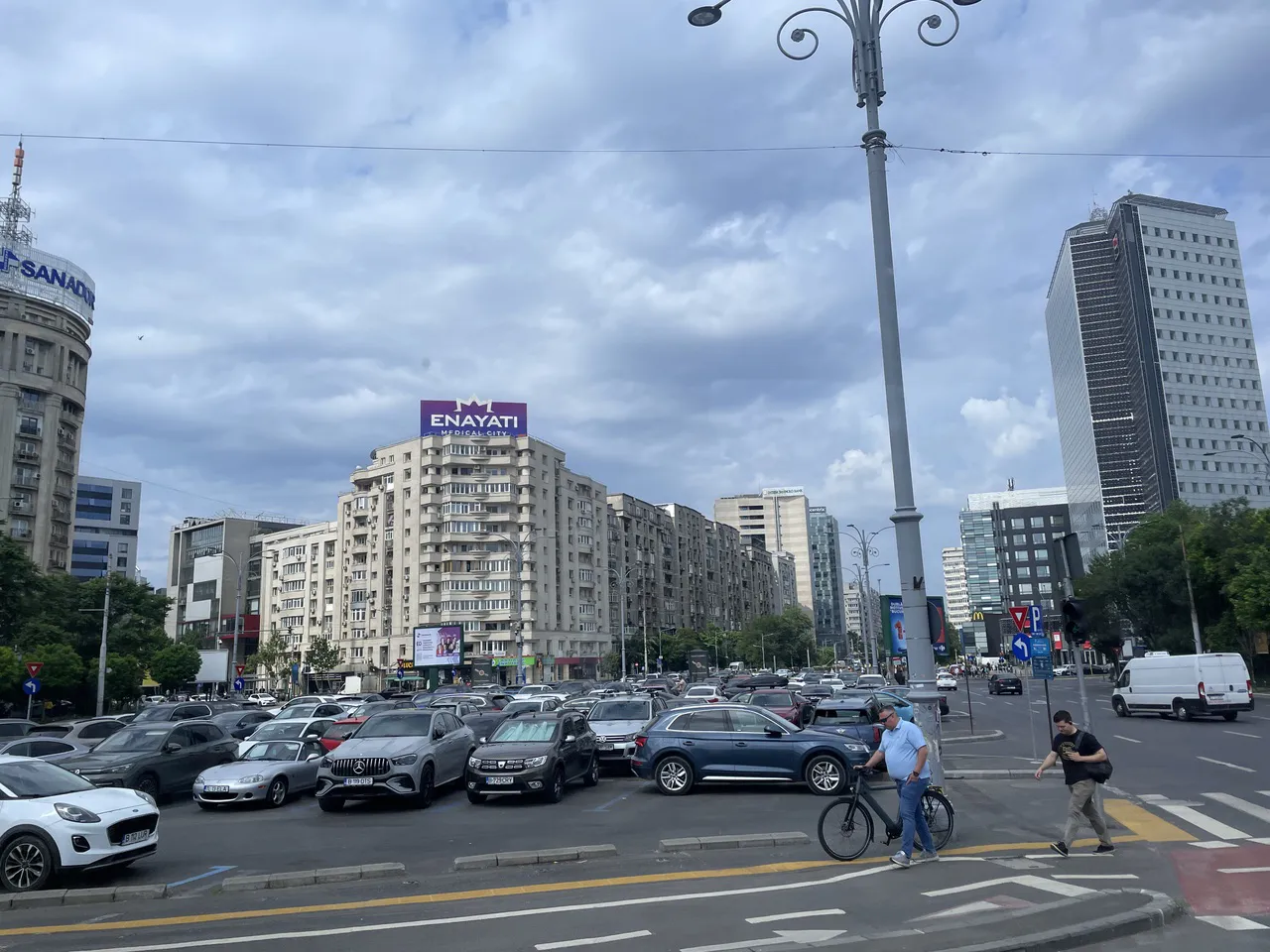
At its General Assembly in early June, the BIO-CAPITAL consortium aligned on a clearer account of what the project sets out to deliver — and worked through, collectively, the open questions that still lie ahead.
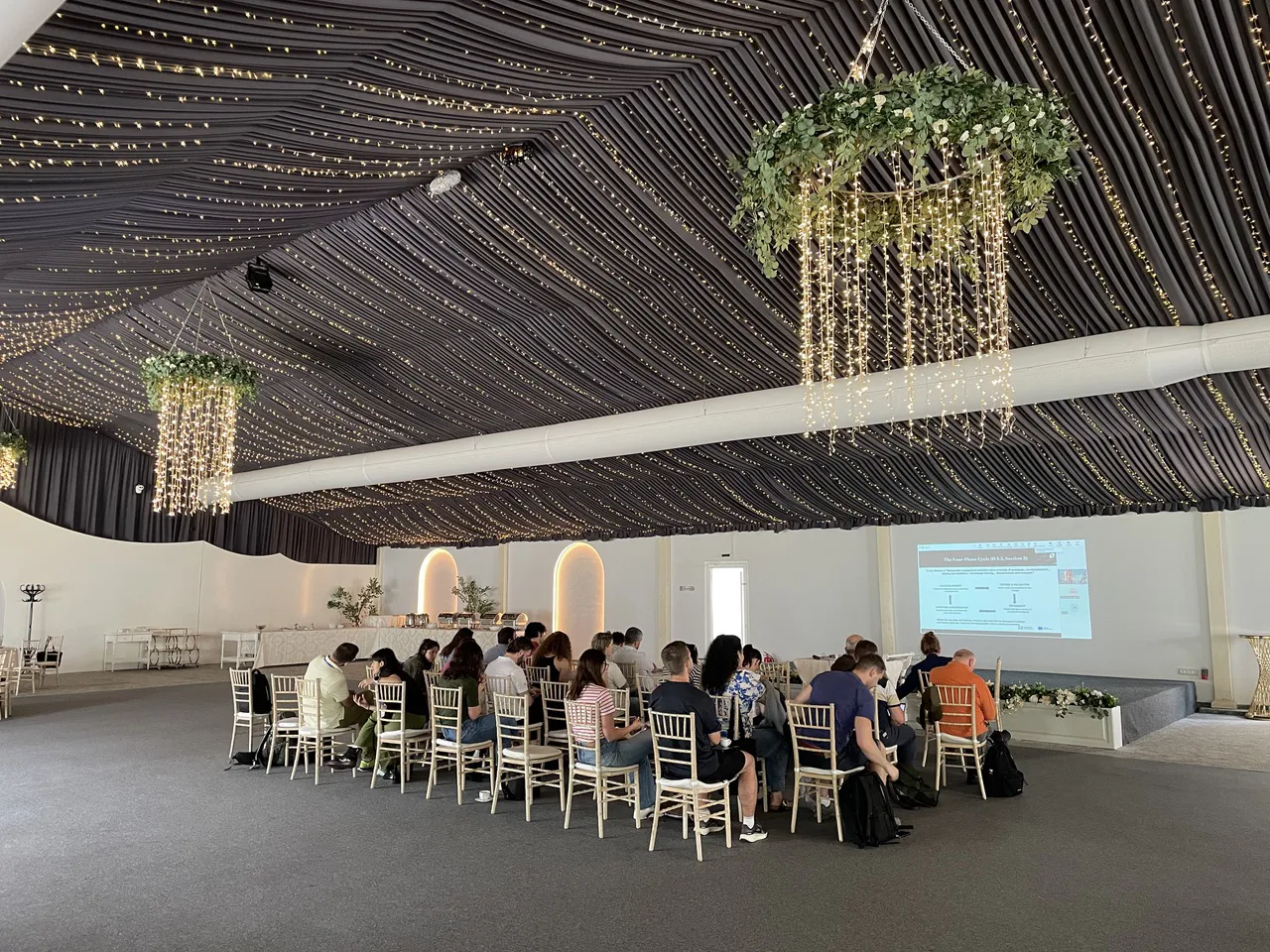
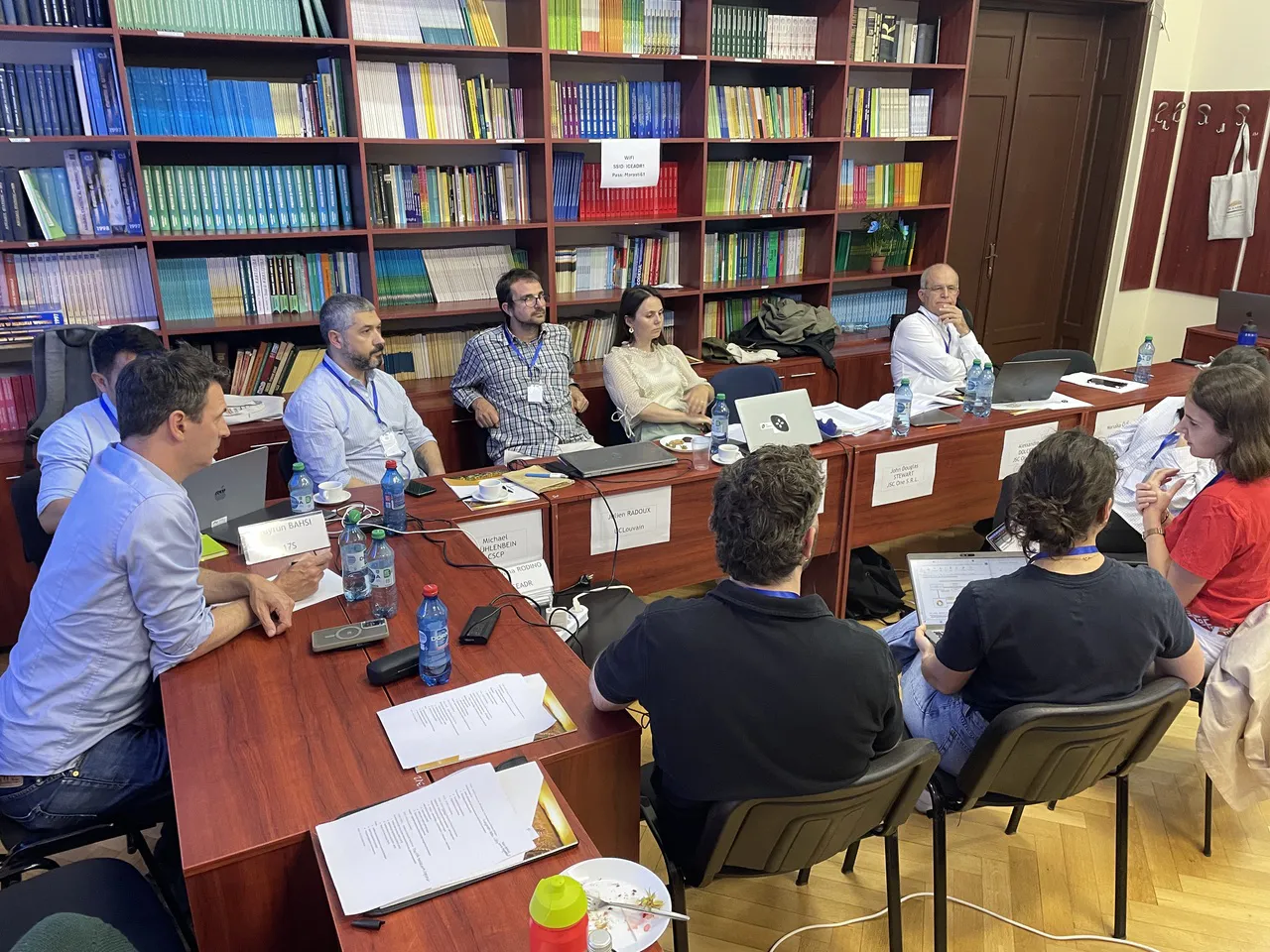
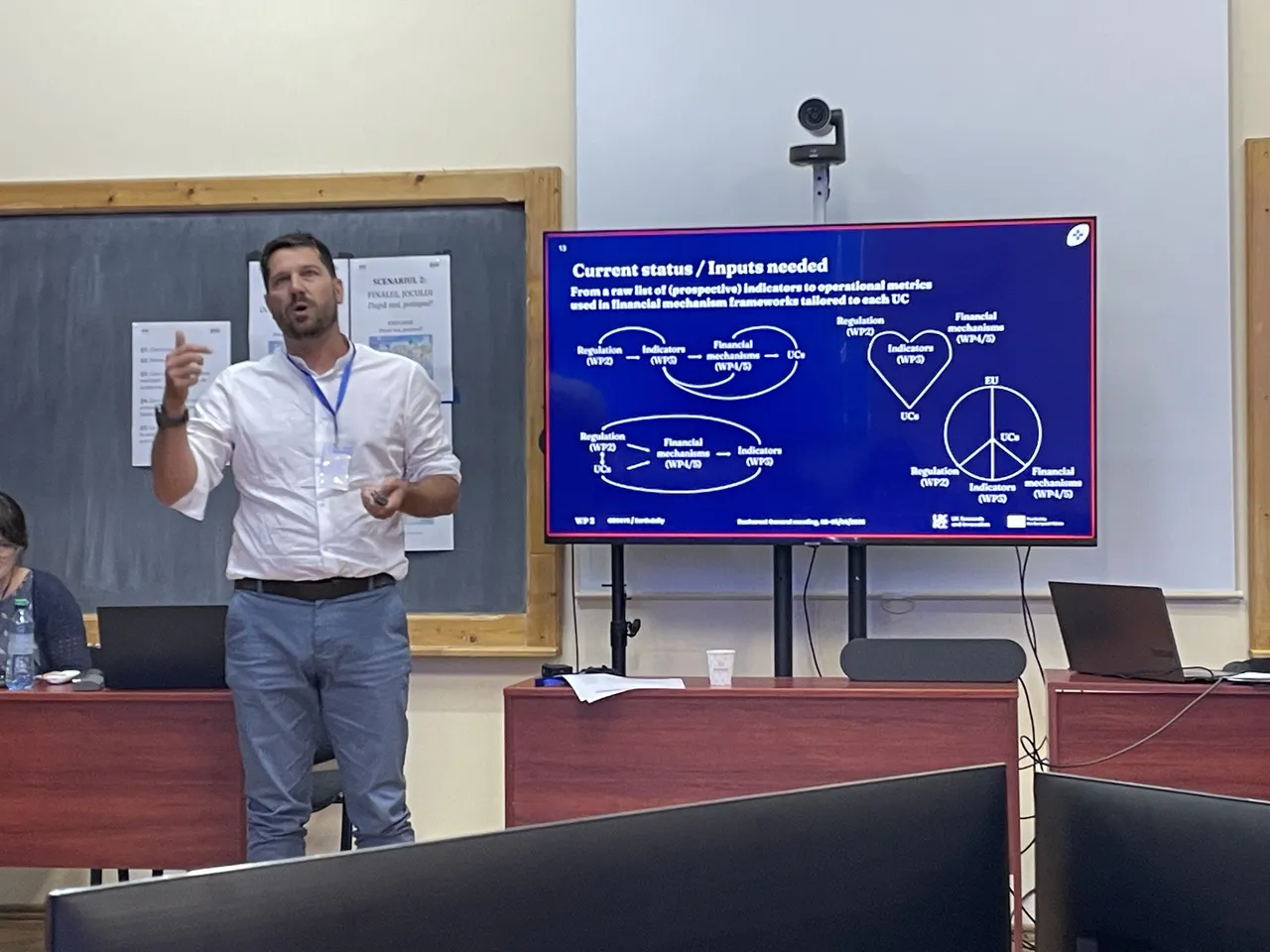
From 3 to 5 June 2026, the full BIO-CAPITAL consortium gathered in Bucharest for its General Assembly. After two years of collaboration across all six project work packages, it was a chance to step back from the individual work streams and realign on where the whole effort is heading — and on the ideas that hold it together.
Much of the discussion returned to a deceptively simple question: what, exactly, is BIO-CAPITAL building? The answer the consortium reaffirmed is precise – however, there remain topics which require in-depth discussion. The project is developing the parameters and methods by which biodiversity gain can be measured — a rigorous, transferable way of assessing biodiversity status and uplift — rather than setting out to demonstrate that uplift on any single site. An important caveat: BIO-CAPITAL develops parameters, not outcomes that can be measured using parameters. The distinction matters, because it keeps the work focused on its most durable contribution: instruments that others can keep using, long after the project ends, to judge whether a landscape is genuinely recovering.
That same clarity shapes how the project thinks about biodiversity certificates, and here BIO-CAPITAL takes a deliberately different view from many peers in the field of biodiversity finance. Where many actors treat biodiversity certificates first as tradable market assets, BIO-CAPITAL approaches them as a compliance and assessment mechanism: a credible way to verify and document biodiversity outcomes, rather than a commodity to be bought and sold.
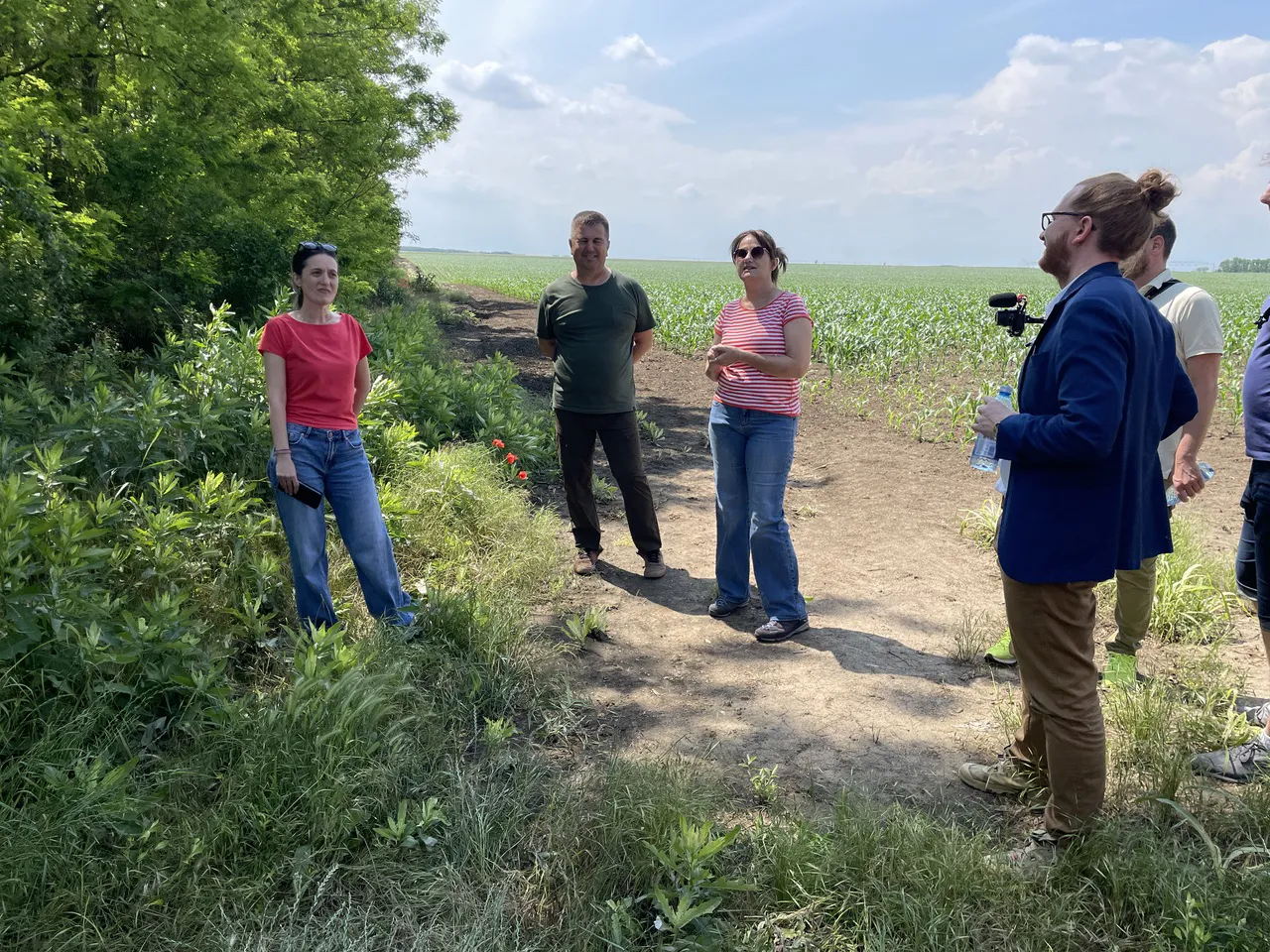
Alongside the conceptual work, colleagues have begun matching candidate financial instruments to the particular context of each use case — recognising that what suits an Alpine forest, a Slovenian meadow or a Cornish river corridor will differ considerably. Several deliverables now in preparation, including forthcoming work dedicated to the financial instruments themselves, will deepen this picture over the coming months.
A recurring theme was how to bring farmers, land managers, and other relevant stakeholders into that story. From the use cases came a clear request: materials that can be shared directly with farmers and other stakeholders, carrying a straightforward message and value proposition — that they themselves stand to benefit, as biodiversity certificates make it possible, in time, to attach income streams to the careful management that keeps species-rich land alive.
The Assembly also looked at how the project communicates its own progress. The consortium agreed to report more regularly on the work of its individual work packages and on its deliverables — including here, on the project website — and to use upcoming deep-dive sessions to keep everyone abreast of what is coming next. Further ahead, planning has begun for the project’s final event, which will be staged in the second half of 2027.
Bucharest, in the end, did what a good mid-project assembly should. It turned a set of parallel work strands back into a shared sense of direction — and a sharper account of the question BIO-CAPITAL exists to answer.
With thanks to the colleagues at ICEADR who hosted the General Assembly in Bucharest.