Creating corridors of biodiversity on a drought-stressed plain
By Thomas Stollenwerk
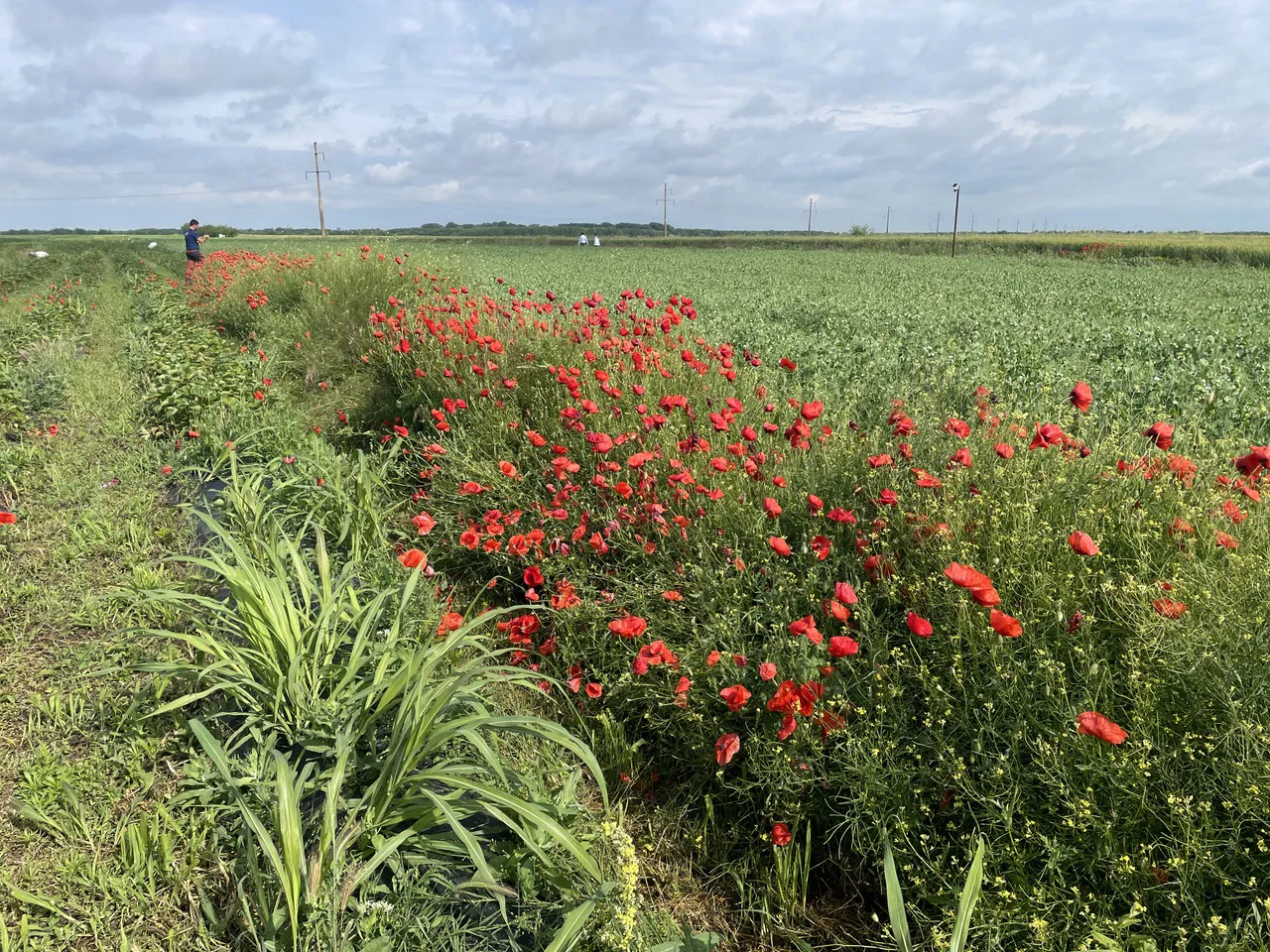
On the wind-scoured arable plains of southern Romania, two farms are rebuilding the biodiversity that intensive agriculture stripped away — and showing what BIO-CAPITAL’s monitoring and finance work will need to capture.
The plains of southern Romania hold some of the most fertile farmland in Europe — deep chernozem soils — and some of the most simplified. Decades of intensive arable cultivation, on a landscape increasingly battered by drought, summers above 40 °C and persistent wind erosion, have left little room for anything but the crop. Here, biodiversity is not the threatened norm it is elsewhere; it is the deliberate exception. In early June, a field visit took a small group to two farms in the Muntenia region working to put it back.
The first, an organic farm near Vâlcelele in Călărași county, is a different kind of experiment. With synthetic inputs eliminated and the soil managed through permanent cover, diverse rotations and flowering buffer strips, it has become what the project describes as an agroecological hotspot — alive with earthworms, mycorrhizal fungi and pollinators. The nearest forest is several kilometres away, which only sharpens the point: in a simplified landscape, this farm has built its own core of biodiversity, almost from scratch.
The second, near Bucu in Ialomița county, sits in an intensively cultivated plain of wheat, maize and sunflower. What sets it apart are its forest belts — curtains of trees and shrubs planted through the arable land. They do double duty: as climate adaptation, slowing the wind, holding moisture and protecting the soil; and as green infrastructure, threading microhabitats for birds, beneficial insects and small mammals across an otherwise uniform landscape. With a forest and a lake close by, the belts knit the farm into a local ecological corridor.
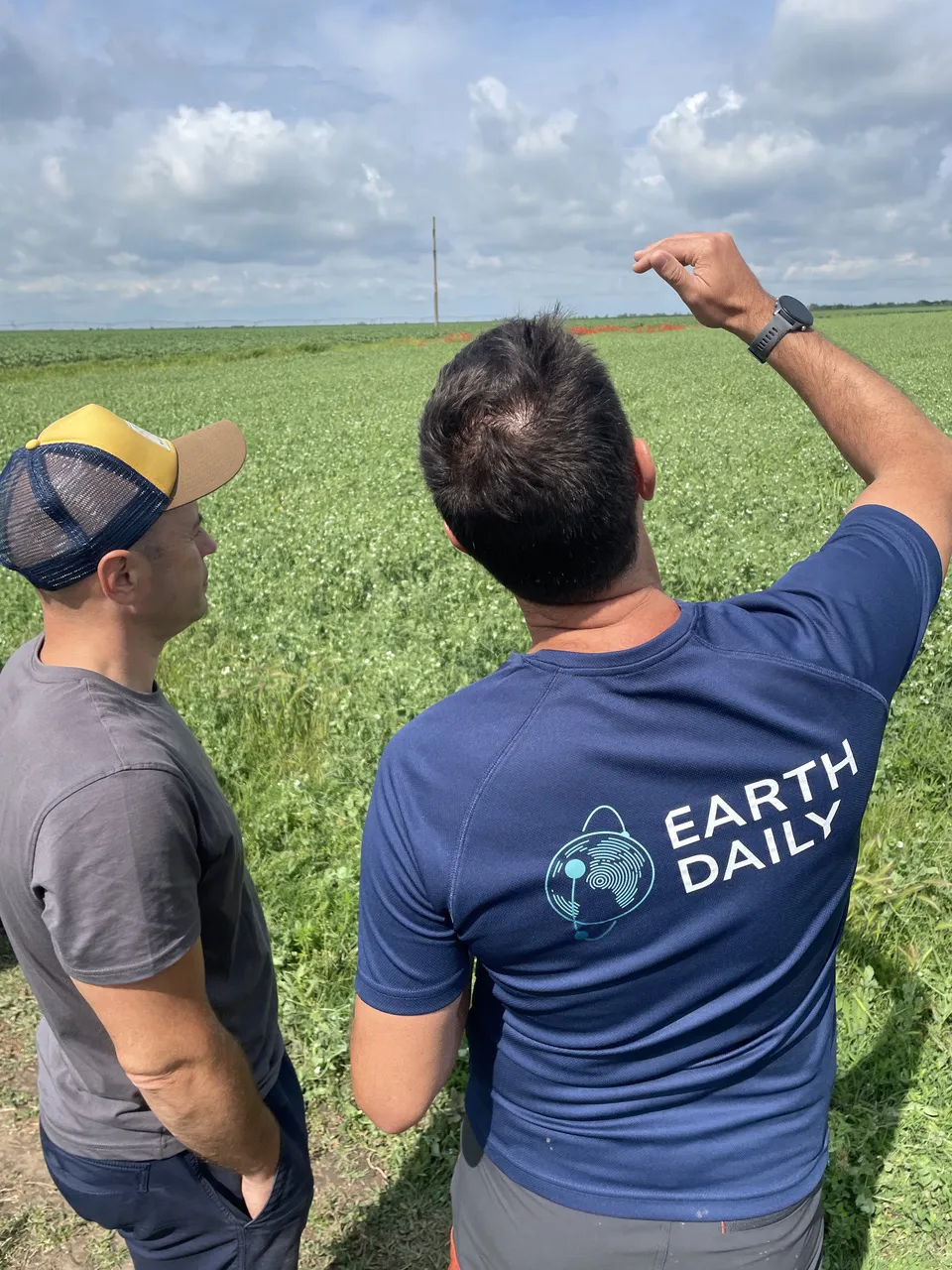
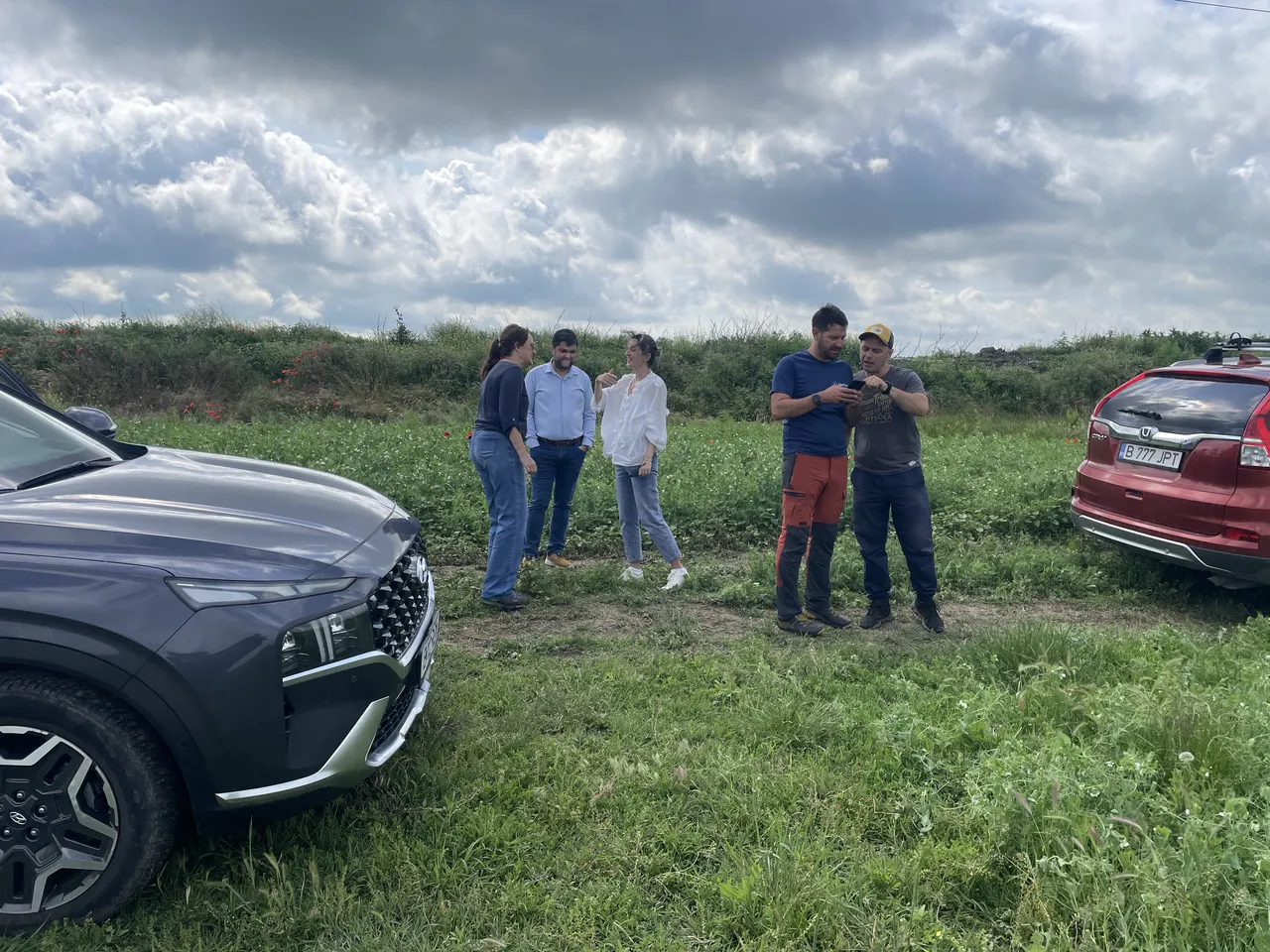
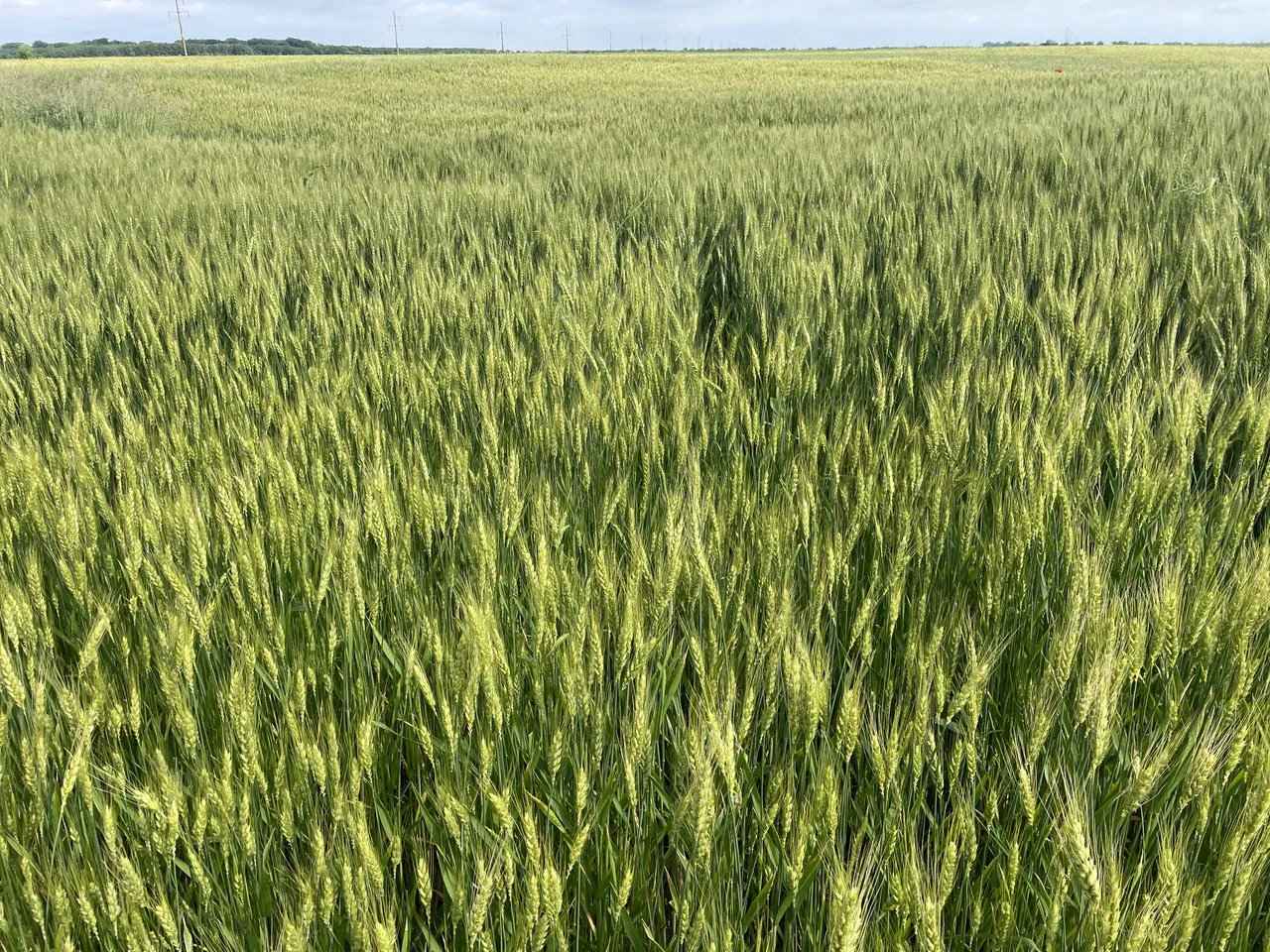
For Harold Clenet of GeoSys, who works on BIO-CAPITAL’s remote-sensing strand, the visit carried the same value as the project’s Slovenian trip weeks earlier. On these vast, uniform plains, the features that matter ecologically — a line of trees, a single organic plot — are small, scattered green elements in a sea of monoculture. Knowing how they look and function on the ground is what makes it possible to recognise, and eventually to value, them from space. Hosting the visit, Steliana Rodino and Dragomir Vili of ICEADR, which leads the Romanian use case, walked the group through both the ecology of the sites and the everyday realities of farming here.
Those realities are not simple. Planting and maintaining forest belts costs money in the early years, when there is little to show for it, and many farmers still see green infrastructure as land taken from production rather than added to it. As yet, no market rewards a farm for the biodiversity it shelters. Closing that gap — finding financial instruments that make agroecology and green infrastructure pay — is precisely what the Romanian use case sets out to explore.
Romania offers BIO-CAPITAL a particular test: not how to protect biodiversity that already exists, but how to make the case — ecologically and financially — for putting it back. The two farms near Bucu and Vâlcele are early evidence that it can be done. The harder question is how to make it worth doing, at scale.
With thanks to Steliana Rodino, Dragomir Vili and the ICEADR team for hosting the visit.