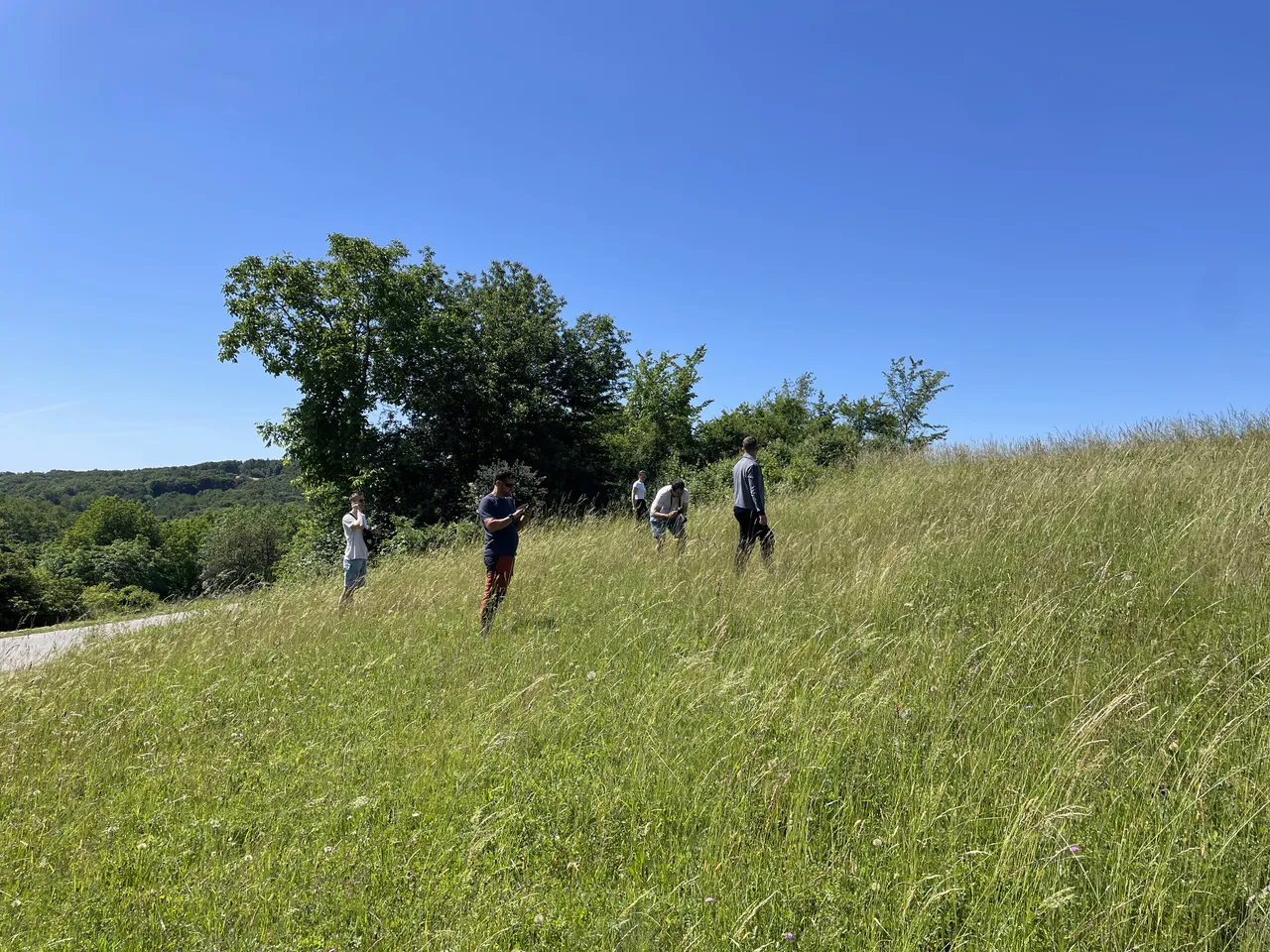
A field visit to BIO-CAPITAL’s Slovenian use case showed why Europe’s most species-rich meadows are vanishing — and what it would take to give them a future.
A satellite sees a grassland as a pattern of reflected light. A botanist sees it as a community of dozens of species — some of them rare, all of them shaped by how, and whether, the meadow is mown and grazed. Closing the distance between those two ways of seeing is one of the quieter challenges at the heart of BIO-CAPITAL. In late May, it took a very concrete form: a field visit to the project’s Slovenian use case.
UC4 focuses on species-rich semi-natural grasslands across nine Natura 2000 sites in Slovenia — among the most biodiverse agricultural habitats in Europe, and among the most fragile. Their richness is not a given but the product of centuries of low-intensity farming. For generations these meadows were mown because their grass was needed: it fed the animals of small mixed farms, and that simple need kept an ancient cycle turning. As those animals disappear from the farming system, the reason to cut the grass disappears with them.
Once the mowing stops, the cycle breaks and the grassland begins to unravel — along one of three paths. Some meadows are overrun by invasive species such as goldenrod (Solidago) and ragweed (Ambrosia); others are slowly claimed by scrub and woodland; others still are ploughed up and absorbed into intensively farmed arable land. Each path ends in the same place: the loss of the biodiversity that made these grasslands matter in the first place.
This is the loss that Pratensis has set out to reverse: the company has committed itself to conserving Slovenia’s species-rich grasslands. Maruška Cuc, who manages the use case, had prepared a programme that did justice to the problem’s complexity. Over the course of the visit, the group met several of the local stakeholders whose everyday decisions shape these landscapes — the farmers and land managers without whose continued care the meadows’ biodiversity would simply not exist.
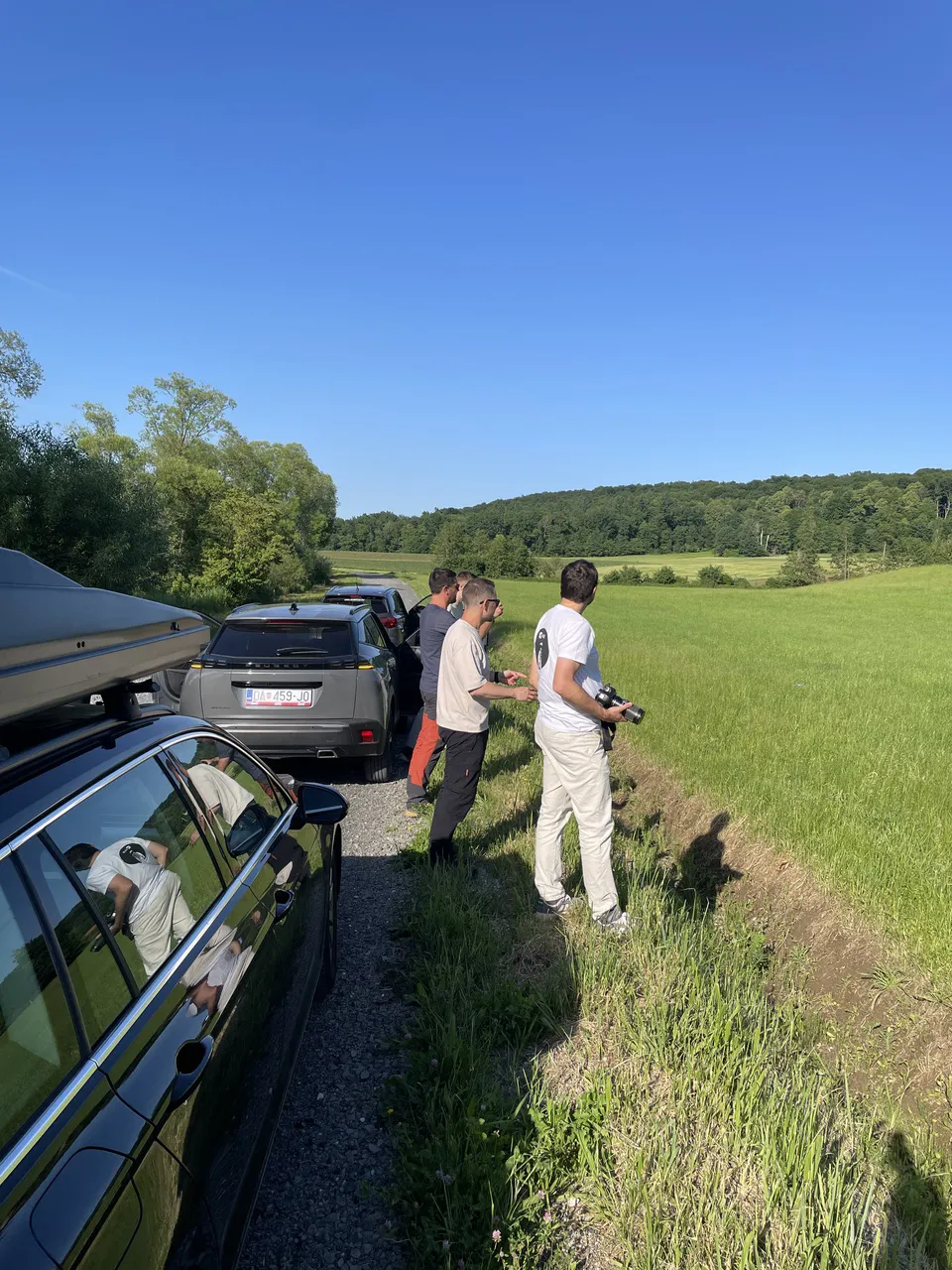
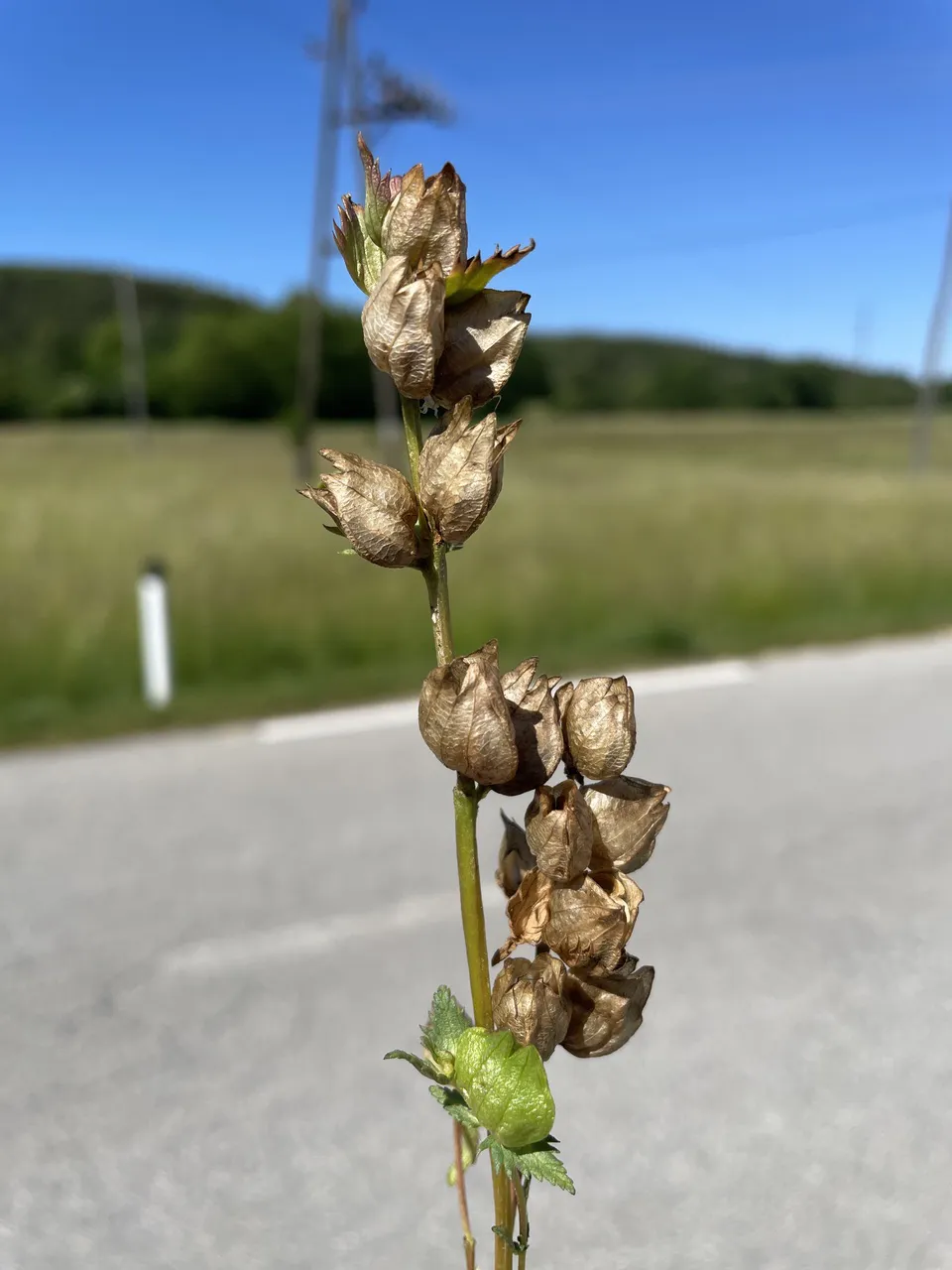
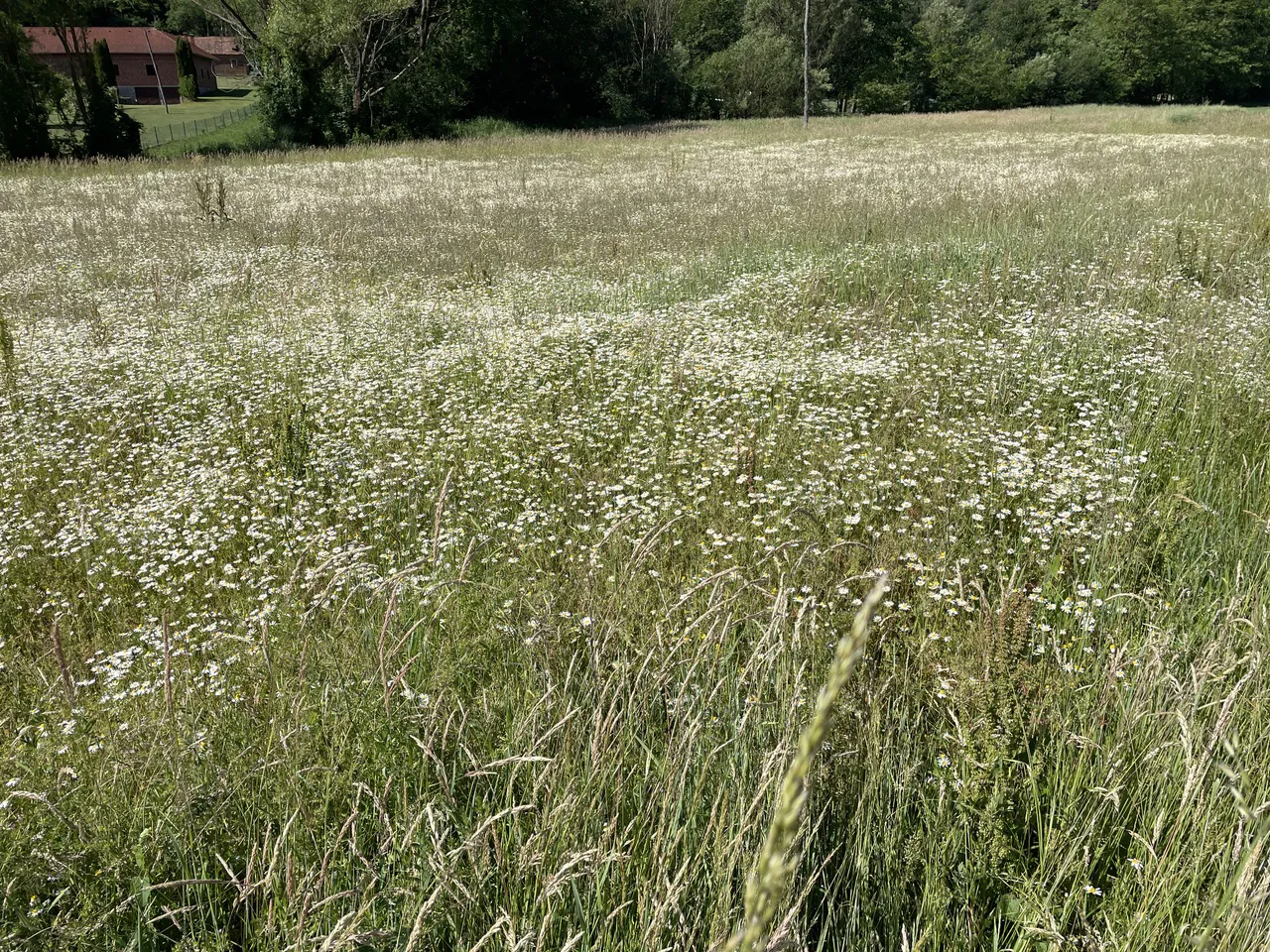
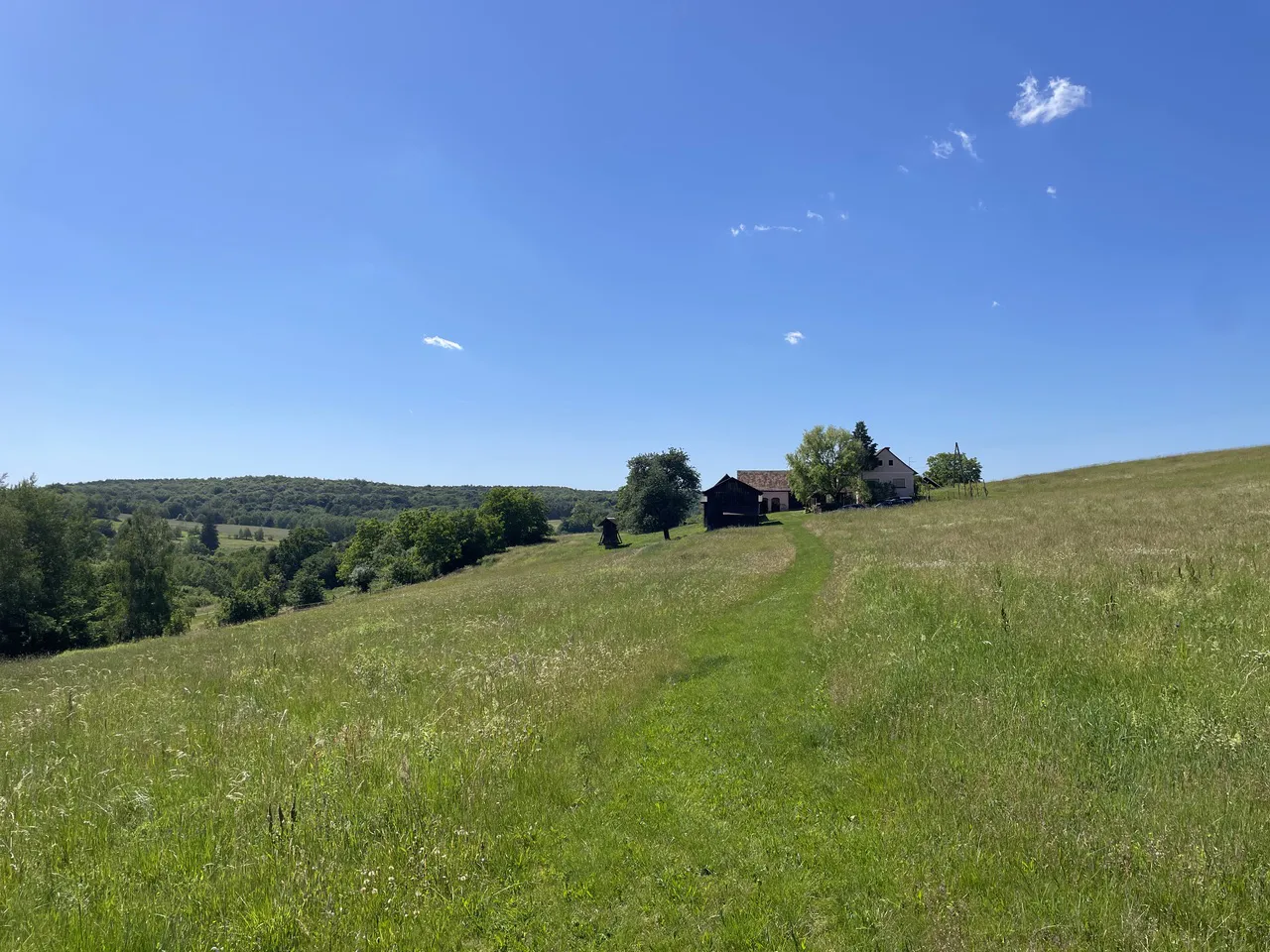
For two of the visitors, the trip was more than a courtesy. Harold Clenet of GeoSys and Julien Radoux of UCLouvain work on the remote-sensing side of BIO-CAPITAL: the satellite-based monitoring that the project hopes will make grassland biodiversity measurable at scale, and ultimately financeable. But a satellite signal only means something if you know what it corresponds to on the ground. Seeing the biodiversity parameters in person — the structure of the sward, the flowering, the indicator species that betray a meadow’s condition — is what lets them connect a pixel to a place.
This is ground-truthing in the most literal sense, and it is built into the project’s method: field validation underpins the biodiversity indicators on which the geospatial work depends. It is also a reminder of remote sensing’s limits. Satellites can track habitat extent, management changes and the broad colourfulness of grasslands across whole regions — but on their own they cannot capture every species-specific or micro-habitat signal. The two perspectives are complementary, not interchangeable.
There is a hard irony running through all of this. The practices that would keep these meadows alive are not unknown — they were refined in the region over centuries. What is missing is a reason to keep applying them. The Common Agricultural Policy, as it currently stands, offers little financial incentive to maintain biodiverse grassland, and the farmers we met spoke plainly about how difficult it has become to reconcile environmental stewardship with financial survival. A meadow performs an environmental function that has real value; the trouble is that no market presently pays for it.
That gap is precisely where BIO-CAPITAL is working. The financial instruments the project is developing — payments for ecosystem services, biodiversity certificates, result-based schemes — all rest on being able to credibly measure what is happening in a grassland, and then to attach a value to it. Credible measurement, this visit made clear, begins with standing in one.
With thanks to Maruška Cuc and the Pratensis team, and to the Slovenian stakeholders who shared their time and their meadows.