Insights into the BIO-CAPITAL project
This is where the BIO-CAPITAL partnership regularly provides insights into its project work. Here you will find news and updates to give you an impression of the exciting fields in which the project partners are working.
A new BIO-CAPITAL policy brief highlights interoperability as a critical enabler for scaling biodiversity finance. The publication examines how aligned standards, data frameworks and assessment methodologies can improve transparency, credibility and the effectiveness of financial instruments supporting biodiversity conservation and ecosystem restoration.

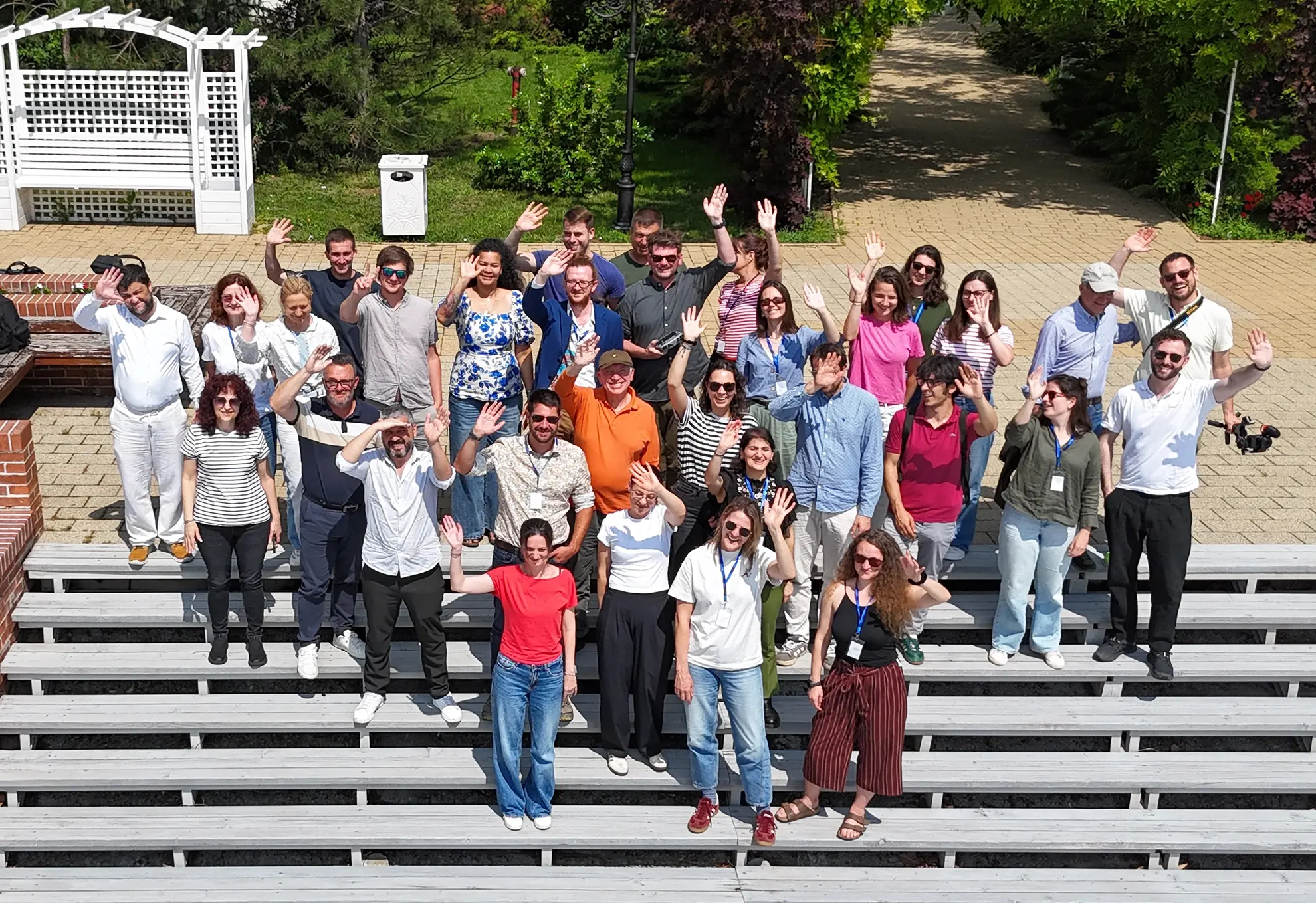
At its June 2026 General Assembly in Bucharest, the BIO-CAPITAL consortium refined its vision for measuring biodiversity gain and developing credible biodiversity certificates. Discussions focused on financial instruments, stakeholder engagement, and ensuring the project's methods can support long-term biodiversity assessment and conservation financing.
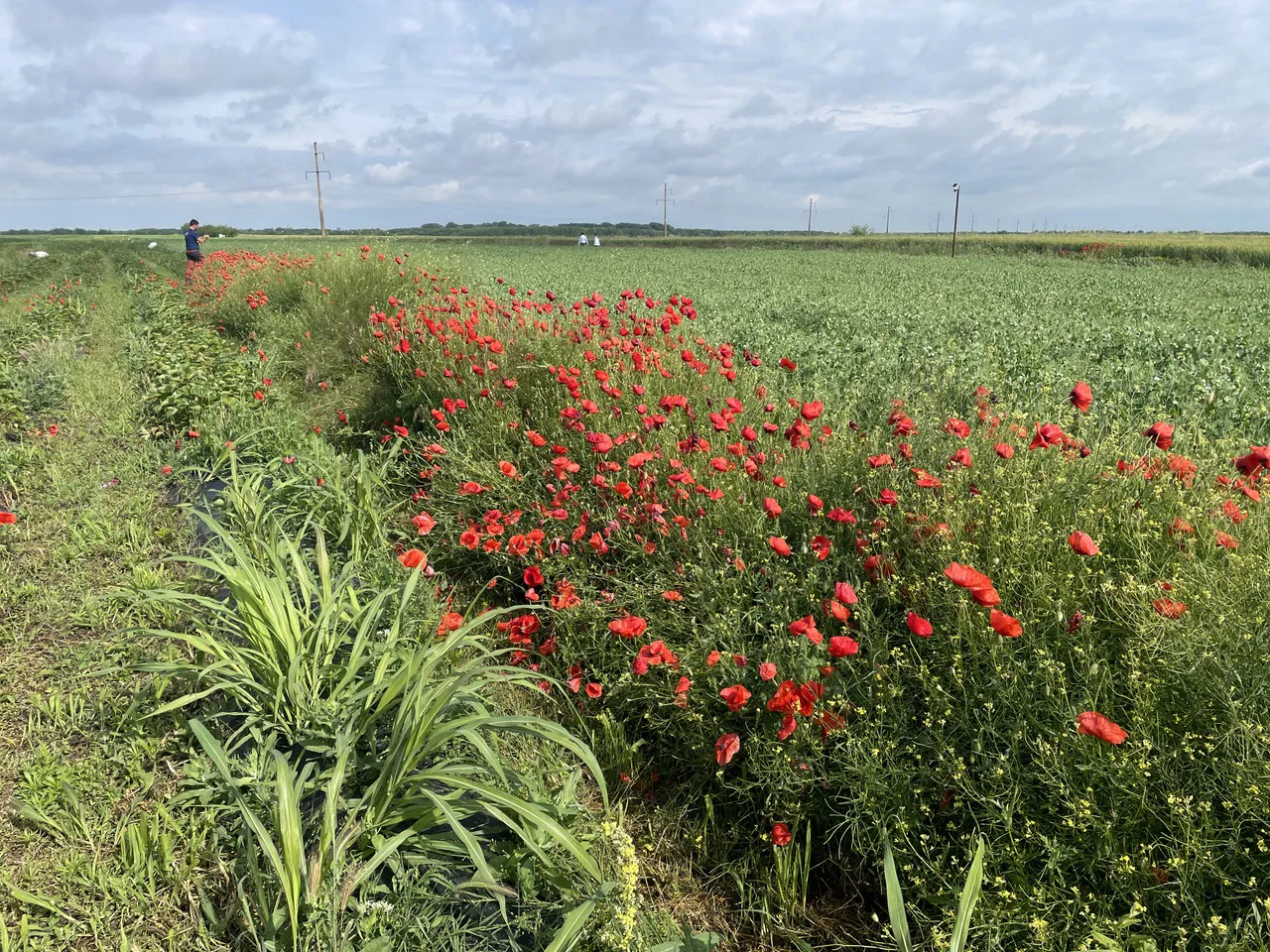
A BIO-CAPITAL field visit to southern Romania explored how organic farming and forest belts are restoring biodiversity in drought-prone agricultural landscapes. By creating habitats and ecological corridors within intensive farmland, these pioneering farms demonstrate both the ecological potential and financial challenges of scaling up nature-positive agriculture.
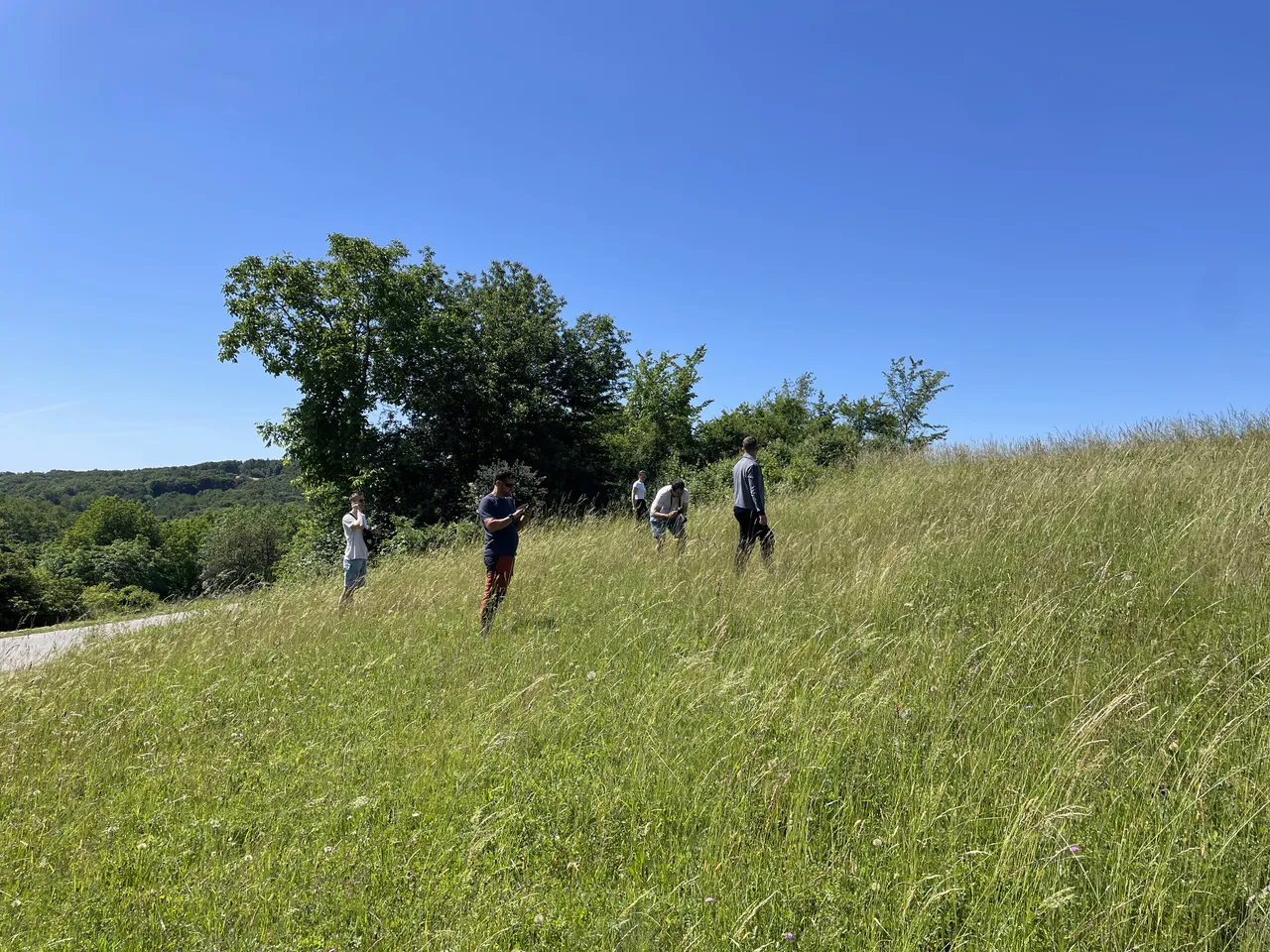
A BIO-CAPITAL field visit to Slovenia’s species-rich grasslands highlighted the urgent need to protect some of Europe’s most biodiverse agricultural habitats. By linking field observations with satellite monitoring, the project is developing tools and financial mechanisms to support long-term grassland conservation.

Within the BIO-CAPITAL project, ItaSIF leads WP2 to map policies, financial instruments, and investment opportunities for biodiversity protection. By linking regulation, finance, and ecosystem value, WP2 builds a shared knowledge base to integrate biodiversity into sustainable financial decision-making.

Biodiversity loss highlights a growing gap between ecological complexity and traditional finance. This article examines how programmable finance—where payments are triggered automatically by verified environmental data—could enable scalable, outcome-based biodiversity funding, drawing on insights from a BIO-CAPITAL Deep Dive.
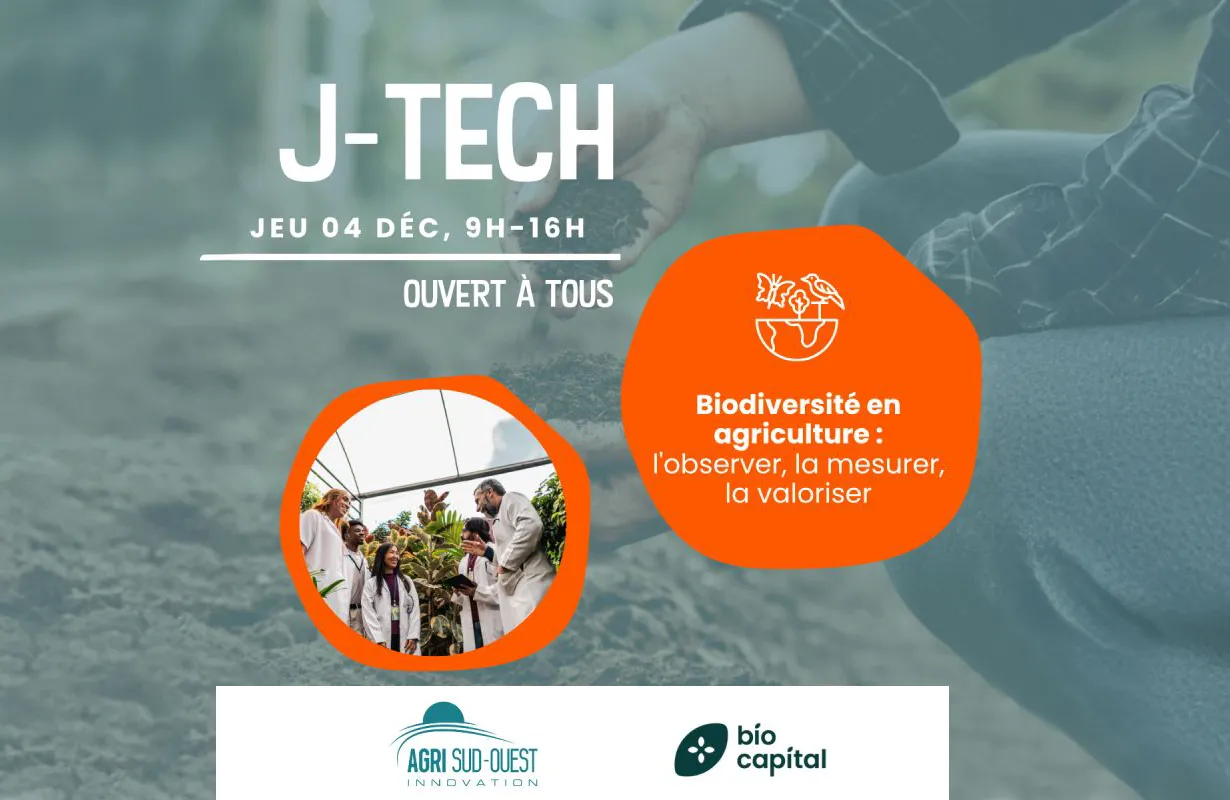
This article explores key insights from the BIO-CAPITAL Technical Day in Toulouse, examining how biodiversity in agriculture can be measured, valued and financed. It highlights practical tools, satellite-based indicators and financing schemes to scale biodiversity-friendly farming.

The fifth BIO-CAPITAL Deep Dive explored how Biodiversity Certificates can create transparency and trust in nature-positive finance. Flore Bastelica of Carbone 4 presented this new instrument as a credible alternative to carbon offsets, focusing on real ecological contributions rather than compensation.

The fourth BIO-CAPITAL Deep Dive explored how conventional financial tools can fund ecological regeneration. Isabel Reuss (ITASIF) presented green and nature bonds as scalable solutions to bridge finance and biodiversity.

Ecosystem services like clean water, fertile soil and flood protection are essential yet remain invisible in economic systems. BIO-CAPITAL’s third Deep Dive by AgroSolutions explores how Payments for Ecosystem Services (PES) can change this by rewarding land managers who protect and restore nature.

Triple Capital Accounting (TCA) redefines what “profit” means by integrating nature and community into financial reporting. Presented by Diana Tomakh (GND Partners) at BIO-CAPITAL’s second Deep Dive, TCA adds Natural and Social capital to the traditional financial model, making ecosystems and human wellbeing visible on balance sheets.
Insurance can protect more than property—it can safeguard ecosystems. In the first BIO-CAPITAL Deep Dive, Ahmet Rasim Demirtaş from Agcurate BV introduced parametric insurance as a fast, data-driven way to support conservation.